


Show Me the Money (slide)
Not ten ideas.
Not a long list of takeaways.
One.
The slide.
The insight.
The shift in perspective.
The moment where the audience leans in and thinks, “Ah. That’s it.”
And yet… most presenters hide it.
They bury it halfway through.
They rush past it in 30 seconds.
Or they surround it with so much context, data, and explanation that it never actually lands.
So the audience leaves with… everything.
Which means they remember nothing.
Find the Moment
Before you touch your slides, ask yourself:
- What’s the one idea worth the entire presentation?
- If they remember only one thing, what should it be?
- What decision should this idea help them make?
If you can’t answer that clearly, the audience won’t find it either.
When Should You Reveal It?
This is where most people get it wrong.
There isn’t one right answer—but there is a right choice for your situation.
1. Early (within the first few minutes)
Use this when:
- You’re speaking to senior leaders
- Time is tight
- The audience wants clarity fast
Lead with it.
“Here’s the decision in front of you…”
“Here’s what this means for your business…”
Then spend the rest of the presentation reinforcing and proving it.
2. Midway (after context builds tension)
Use this when:
- You need buy-in
- The idea challenges assumptions
- The audience needs to feel the problem first
Build the case. Create tension. Then release it.
“So given all of this… here’s the shift we need to make.”
3. Late (as a reveal)
Use this when:
- You’re telling a story
- You want surprise or emotional impact
- The journey matters as much as the answer
In this case, the idea is the payoff.
But be careful—if you wait too long without direction, you lose them.
Give It Space to Land
This is the part almost no one does.
They finally get to the big idea…
…and then immediately move to the next slide.
Don’t.
When you hit your moment:
- Pause
- Let the silence do some work
- Repeat it in simpler language
- Show it visually
- Anchor it with a story or example
If it matters, it deserves time.
Add Drama (Yes, Really)
Not theatrics. Not performance for the sake of it.
But intentional emphasis.
Because if everything is delivered the same way, nothing stands out.
You can create drama through:
- Contrast
“We thought this was the problem. It’s not.” - Pacing
Slow down at the moment that matters most - Visual simplicity
One clean slide instead of five busy ones - Physical presence
Step forward. Stop moving. Make eye contact. - Voice
Lower. Slower. More deliberate.
This is the moment your audience has been waiting for.
Treat it like it matters.
Build Around It
Once you know your “one thing,” everything else becomes easier.
Keep what supports it.
Cut what doesn’t.
You don’t need more content.
You need more intention.
A Final Test
Before you present, ask:
- How long does it take me to get to the idea?
- Do I make it unmistakably clear?
- Do I give it enough space?
- Do I deliver it in a way people can feel?
Because that one moment?
That’s the part they’ll remember.
That’s the part they’ll repeat.
That’s the part that drives action.
Everything else is just support.
Related Articles
More insights to help you strengthen your communication.
 Callbacks: The Secret Technique That Makes Presentations Feel Intentional
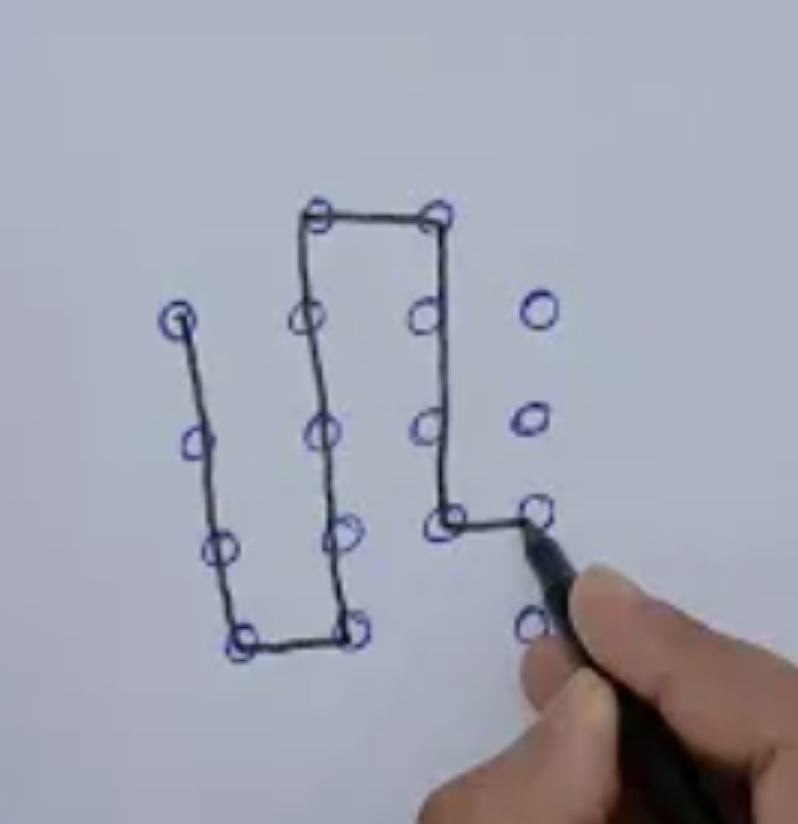 Don’t Make Your Audience Connect the Dots
Remember those connect-the-dots puzzles as a kid?
Don’t Make Your Audience Connect the Dots
Remember those connect-the-dots puzzles as a kid?
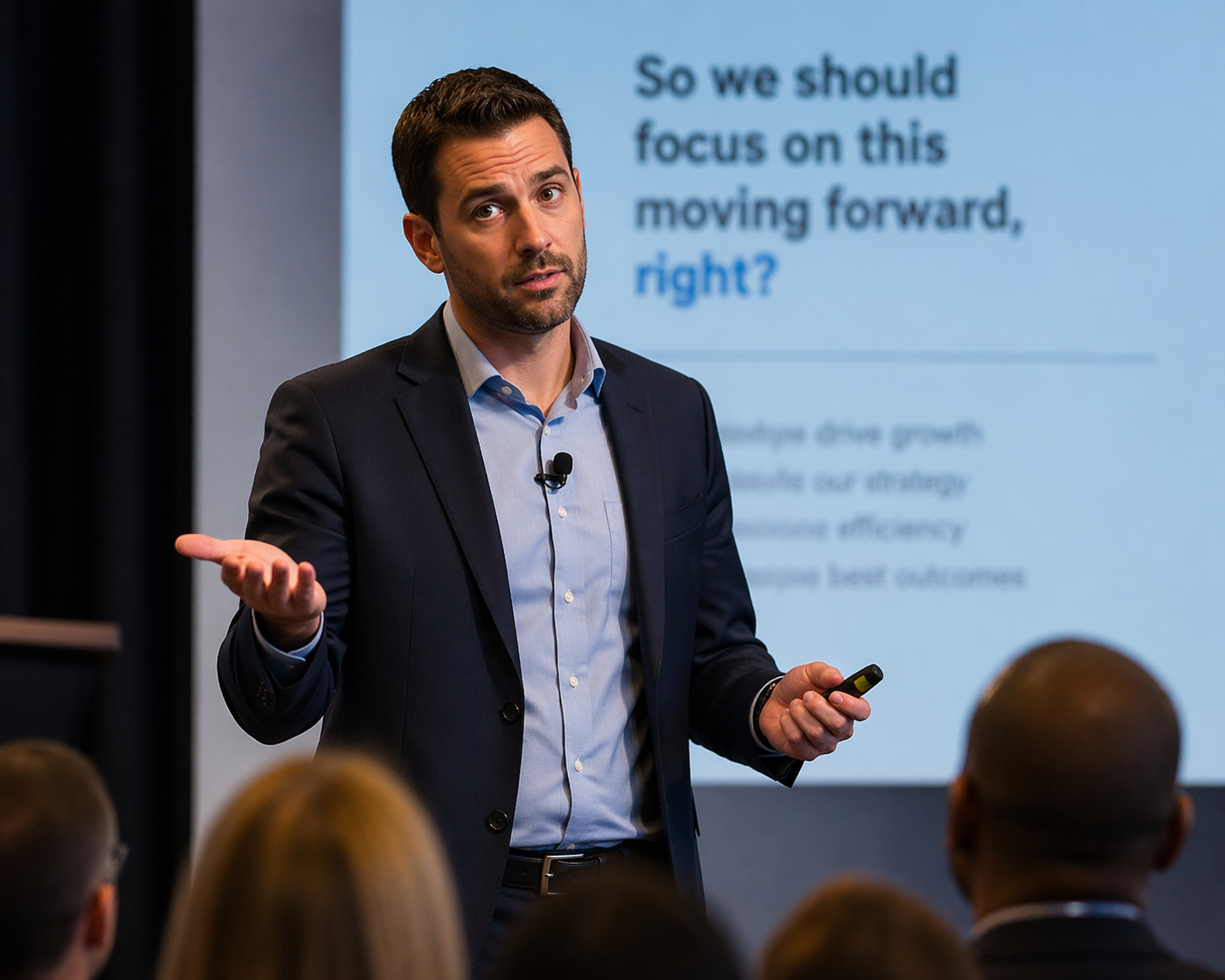 Are You a Needy Presenter?
Do you ever find yourself ending sentences with…
Are You a Needy Presenter?
Do you ever find yourself ending sentences with…“right?”
 AI Can Generate Content. Humans Create Emotional Connection.
“
It’s not about perfection.
It’s about showing up with clarity and confidence.
”
You have the expertise.
I help you deliver it.
They remember it.
 Got a presentation coming up?
Don't wait until the night before, show up prepared and polished